Hotel Business Meeting: A Complete Guide for Effective Corporate Events
Whether you’re planning a quarterly strategy session, a corporate retreat, or a multi-day executive training program, the phrase “hotel business meeting” has become synonymous with convenience, professionalism, and productivity. Business meetings held in hotels offer the dual advantage of fully-equipped venues and premium accommodation, making them ideal for both local and international attendees.
This article explores the strategic benefits of hosting business meetings in hotels, the essential features to look for, how integrated technology elevates the experience, and real-world examples to help you choose the right venue. By the end of this guide, you’ll have a complete understanding of how to leverage hotel meeting venues for seamless and impactful corporate events.
What Is a Hotel Business Meeting?
A hotel business meeting refers to a professional gathering—whether internal or external—that is hosted within a hotel’s designated meeting spaces. These venues are purpose-built for corporate functions and are equipped with amenities that support productivity, collaboration, and comfort.
Unlike traditional office spaces, hotels provide an all-in-one solution: meeting rooms, breakout areas, audiovisual technology, catering, and lodging. This makes them ideal for both short-day meetings and extended conferences. Moreover, the flexible layout and hospitality services contribute to a polished experience that reflects positively on the host organization.
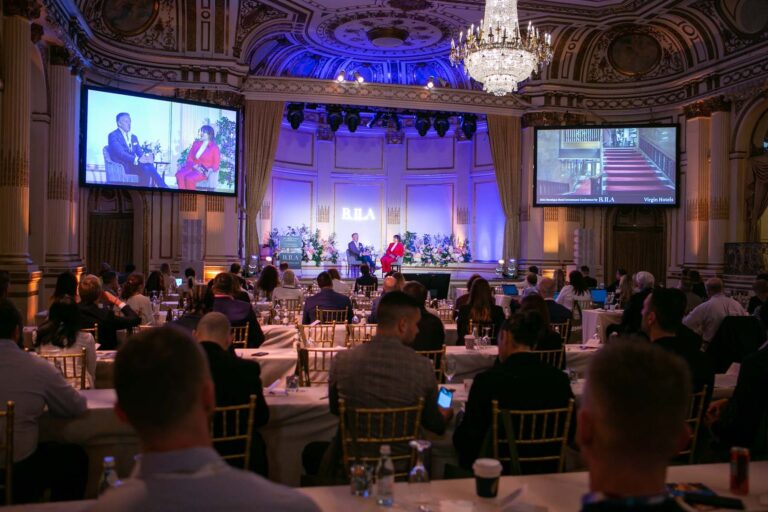
Hotel meetings may vary in scale, from intimate board meetings to full-scale conventions, and are increasingly favored for off-site planning sessions, networking events, or regional summits that bring together diverse teams or stakeholders.
Features That Define a Productive Hotel Business Meeting Venue
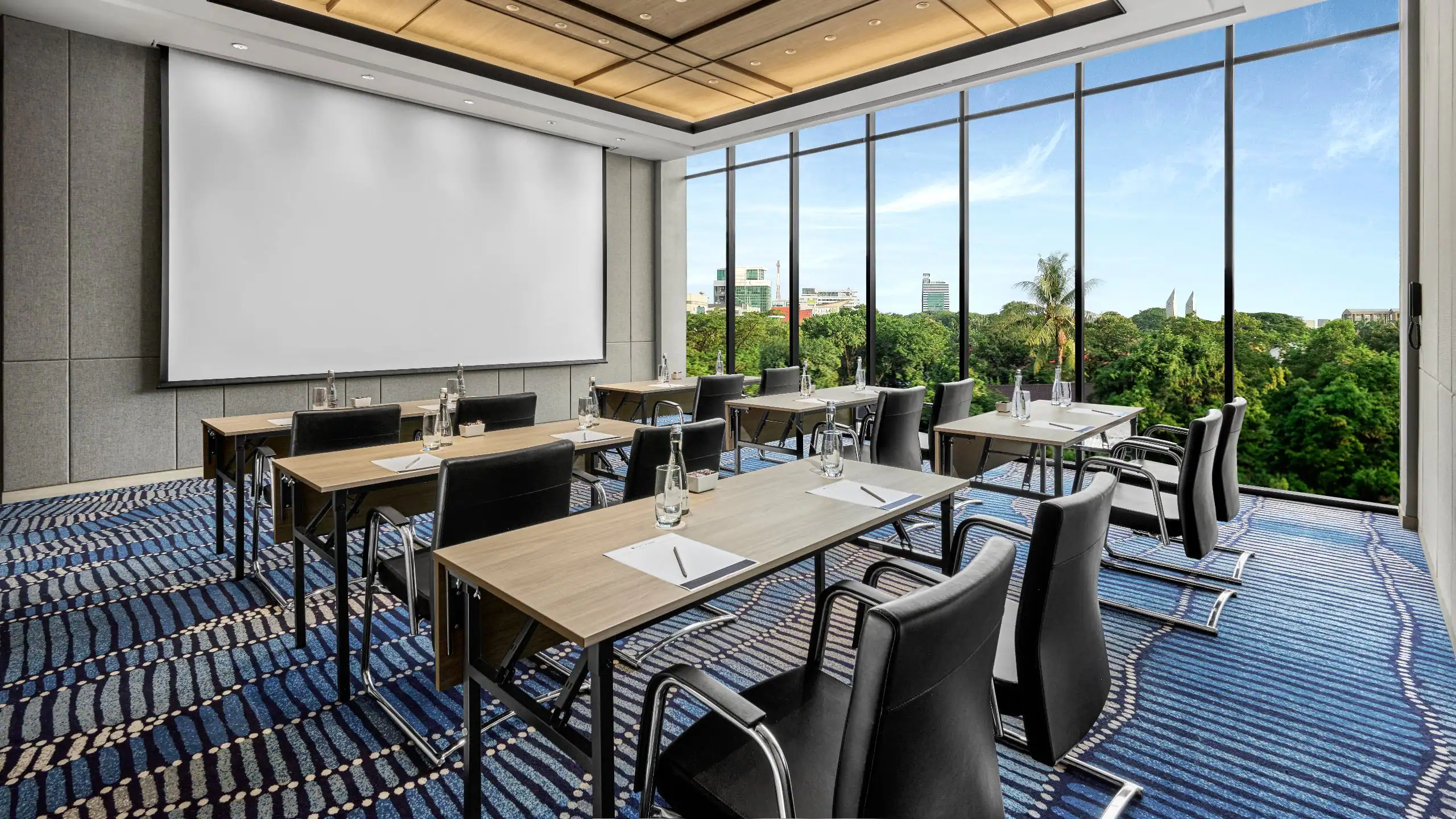
Successful hotel business meetings are defined by more than just a spacious room. The best venues offer:
-
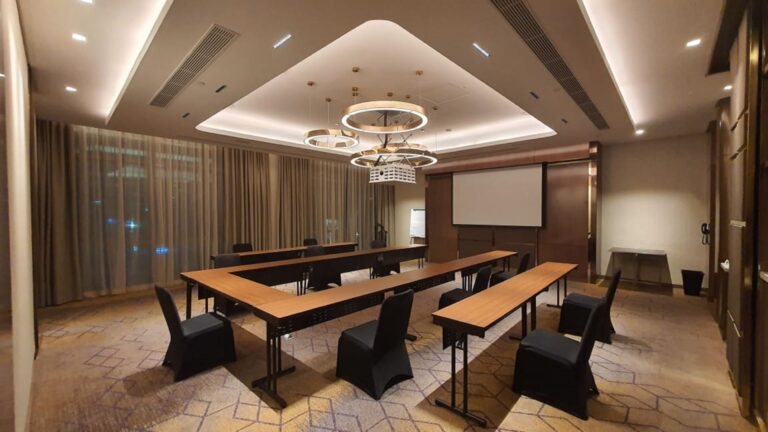
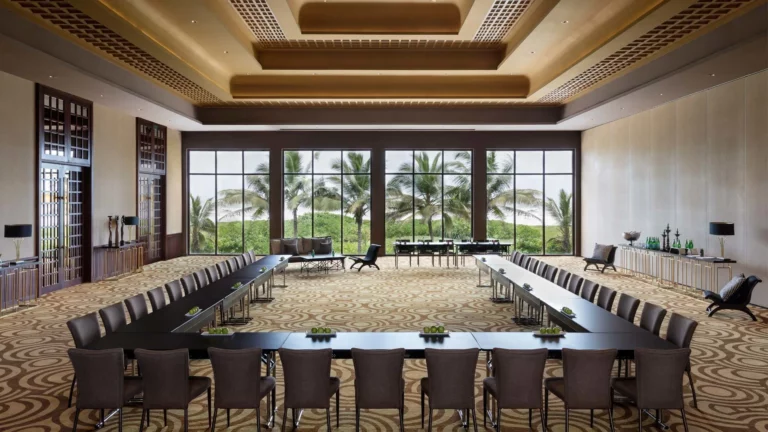
Customizable Meeting Spaces: Room sizes that adapt to the number of participants and the meeting’s format, whether that’s a U-shape table, theater seating, or round-table discussions.
-
Built-in Audio-Visual Equipment: High-definition projectors, digital screens, microphones, and conferencing systems.
-
High-Speed Internet: Dedicated Wi-Fi networks or hardline Ethernet for stable and secure connectivity.
-
On-Site Technical Support: Trained AV staff who can troubleshoot in real time.
-
Convenient Break Areas: Refreshment stations, outdoor terraces, or lounges for networking and downtime.
-
Business Services: Access to printing, copying, courier dispatch, and secretarial services if needed.
These features are designed to facilitate focus, collaboration, and professionalism, making hotels an attractive choice over standard rented halls or office boardrooms.
Real-World Examples of Hotel Business Meeting Venues
1. JW Marriott Marquis, Dubai
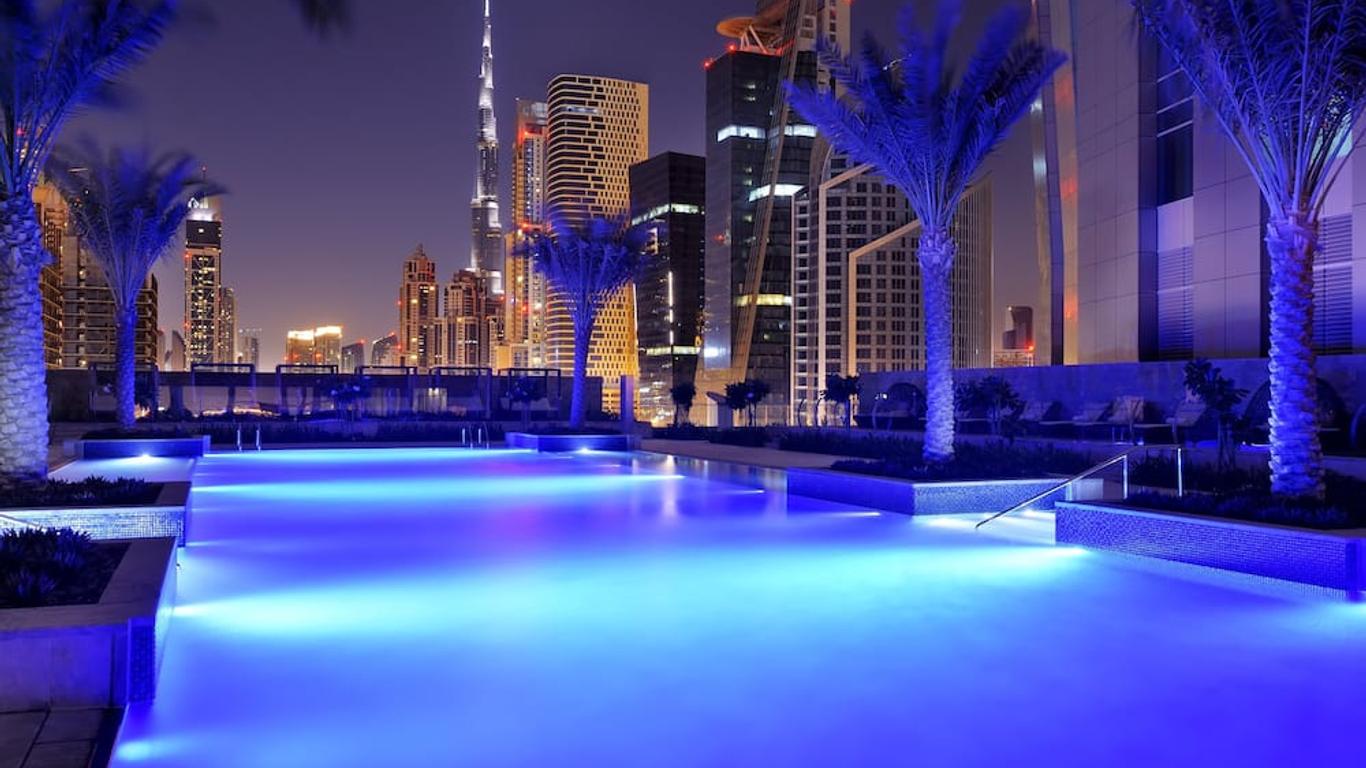
This venue is renowned for hosting high-level corporate summits, thanks to its expansive ballrooms and executive meeting rooms. Each space is outfitted with smart lighting, soundproofing, and translation booths. The in-house business center provides support from printing to legal services, making it a hub for global enterprises.
2. InterContinental London – The O2
A top choice for London-based corporate events, the InterContinental offers panoramic meeting rooms with the River Thames. Features include touch-screen presentation panels, integrated projectors, and customizable ambiance controls. It’s frequently used for financial sector strategy meetings and international leadership retreats.
3. Hyatt Regency Chicago
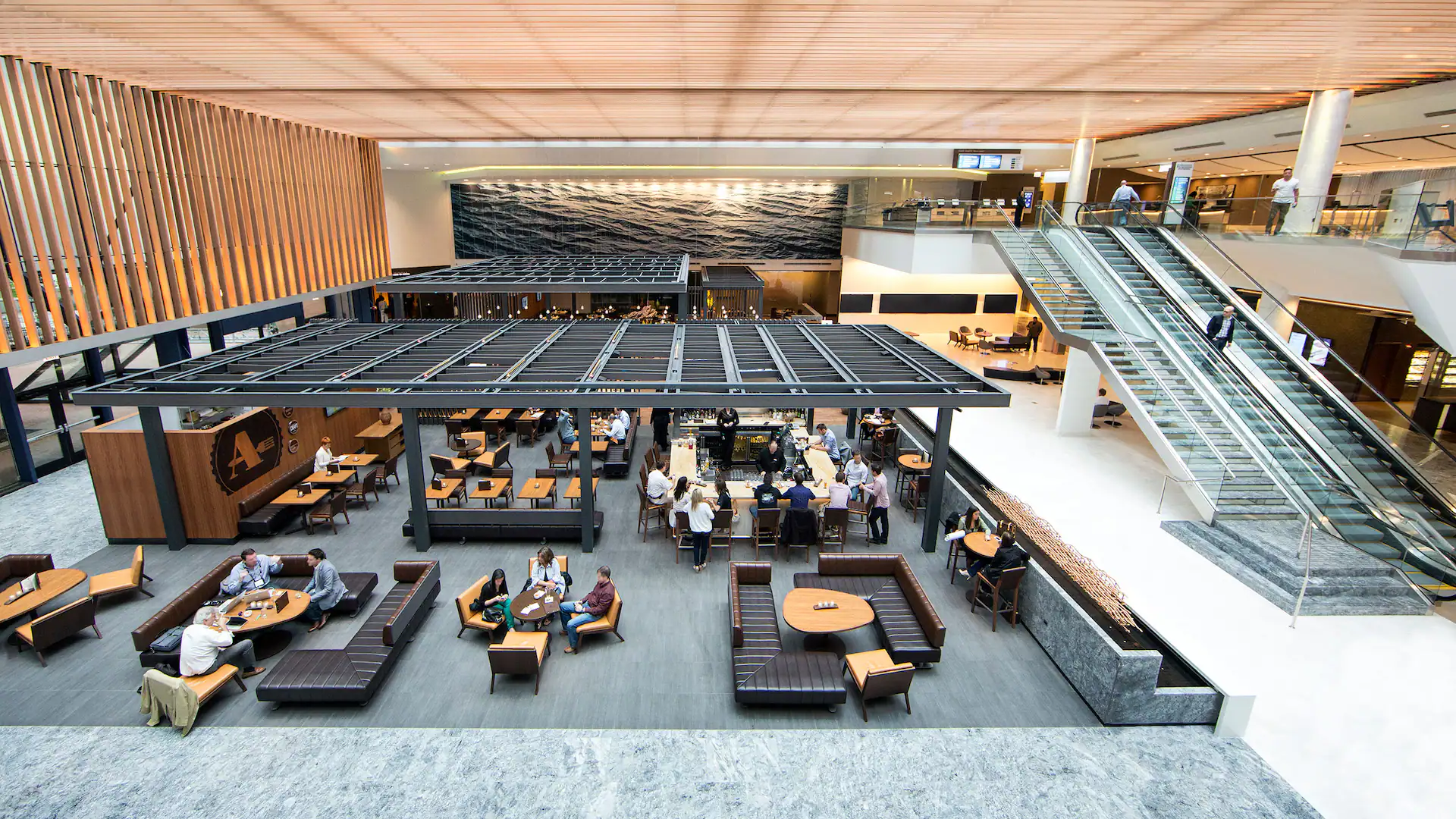
Located in the heart of downtown, Hyatt Regency’s conference center includes over 200,000 square feet of flexible meeting space. Its “Meetings on Demand” app allows organizers to control lighting, room temperature, and refreshment requests via tablet. Ideal for tech companies and consultancies.
4. The Ritz-Carlton, Tokyo
This luxury venue combines Japanese hospitality with world-class business facilities. Its boardrooms offer multi-language conferencing support, panoramic views, and 24/7 concierge assistance. Frequently used for high-profile business negotiations and brand launches in Asia.
5. Grand Hyatt Singapore
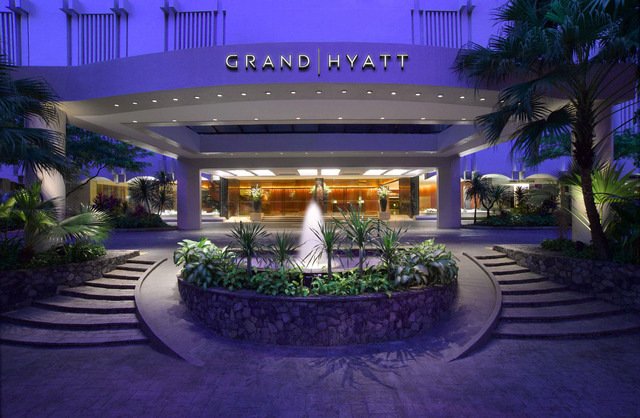
Grand Hyatt has become a favorite among sustainability-minded companies, offering eco-conscious meeting packages with zero-waste catering and carbon-neutral event certification. Its flexible meeting rooms come with plug-and-play AV and ergonomic furniture, supporting long sessions without fatigue.
Benefits of Using Technology in Hotel Business Meetings
Smart Room Control Enhances Efficiency
Modern business hotels equip meeting rooms with smart controls for lighting, air conditioning, and presentation devices. Organizers can adjust room settings in real time using apps or touch panels, ensuring optimal comfort and engagement throughout the session.
Seamless Virtual Participation
Hotels have embraced hybrid meeting technology by integrating high-bandwidth Internet, HD cameras, ceiling mics, and Zoom/Teams-compatible systems. This ensures remote participants receive the same quality of experience as those onsite, making global collaboration effortless.
Real-Time Technical Support
Unlike standalone venues, hotels provide on-call technical teams who are familiar with their systems. This drastically reduces downtime from AV failures and improves the overall flow of your event.
Interactive Engagement Tools
Some venues offer digital whiteboards, polling screens, and attendee interaction software that allow for real-time surveys, Q&A sessions, and brainstorming. These tools are ideal for workshops and team-building sessions.
Secure and Private Connectivity
Hotels often provide enterprise-level cybersecurity protocols on their networks. Private VPN support, closed guest networks, and encrypted conferencing systems help safeguard sensitive corporate discussions.
Practical Use Cases for Hotel Business Meetings
Off-Site Strategy Planning Sessions
When leadership teams need to step away from daily distractions to plan the company’s future, hotel venues offer a neutral, refreshing environment. The setting encourages creativity and big-picture thinking while ensuring professional facilities are close at hand.
Quarterly Review or Financial Reporting
For companies where transparency and precision matter, hotel boardrooms are ideal for presenting quarterly performance data to stakeholders. Their AV setups support large screens, dual monitors, and real-time spreadsheet presentations.
Client Onboarding and Demos
Hotels are often used for showcasing new products or onboarding enterprise clients. Private, distraction-free environments combined with catering and reception staff create a highly professional first impression.
Cross-Departmental Workshops
Large teams that don’t normally interact benefit from hotel meeting setups that include breakout rooms and shared meal services. These off-site sessions help departments align on strategy, culture, and cross-functional projects.
Executive Training Programs
Whether it’s leadership development, negotiation skills, or compliance workshops, business hotels provide a contained and focused environment for intensive training. Lodging and dining on-site allow participants to concentrate fully without commuting or interruptions.
Advantages of Choosing Hotels for Business Meetings
One-Stop Convenience
Hotels eliminate the need to book separate venues for accommodation, catering, and meeting rooms. This streamlines planning and ensures consistency across all aspects of the event.
Time and Cost Efficiency
With bundled packages for meeting space, meals, and lodging, companies often save time and money compared to piecing together separate vendors.
Prestigious Atmosphere
Hosting an event in a well-known hotel adds prestige and professionalism to your meeting, reinforcing your company’s brand and attention to detail.
Enhanced Networking Opportunities
Shared lounges, bars, and dining areas offer informal settings for deeper networking and relationship-building outside structured meetings.
Scalable for Growth
From small internal workshops to full-scale annual conferences, hotels offer scalable room options and services that grow with your event needs.
Frequently Asked Questions (FAQ)
Q1. How much notice do I need to book a hotel for a business meeting?
For small meetings, 1 to 2 months is typically sufficient. However, for large-scale or international events, it’s best to book at least 6–12 months in advance to ensure availability and secure favorable terms.
Q2. Are hotel meeting packages customizable?
Yes. Most hotels offer customizable meeting packages that include catering, AV equipment, Wi-Fi, and accommodations. Planners can work with the hotel’s event team to tailor services based on group size and preferences.
Q3. Do hotels support hybrid and virtual meetings?
Absolutely. Many hotels now offer hybrid-ready meeting spaces with integrated cameras, microphones, live streaming options, and on-site IT teams to support remote participants and real-time collaboration.