Can I Let My House as a Holiday Home? A Full Guide for Property Owners in 2025
Letting your house as a holiday home means offering your property for short-term stays, typically ranging from a few nights to several weeks. Unlike long-term rentals, holiday homes cater to vacationers, business travelers, or weekend visitors looking for temporary accommodation that feels more personal than a hotel.
Understanding the Concept: What It Means to Let Your House as a Holiday Home
This arrangement has grown in popularity with the rise of platforms like Airbnb, VRBO, and Booking.com. However, turning your property into a holiday home isn’t as simple as just posting it online — there are zoning laws, tax implications, and licensing requirements that vary by region.
Whether you own a second home, plan to vacate your property temporarily, or are exploring new income opportunities, understanding the process, responsibilities, and tools available will help you make an informed and profitable decision.
Legal and Regulatory Considerations
Before listing your home as a holiday rental, it’s crucial to check the legal requirements in your area. Many cities and local councils enforce strict regulations around short-term lets to manage tourism impact, housing availability, and neighborhood disruption.
Some key factors to investigate include:
-
Zoning laws: Certain areas restrict short-term letting or require the property to be your primary residence.
-
Licensing: Many municipalities require holiday rental licenses or registration numbers.
-
Maximum occupancy and rental limits: Some regions limit the number of nights per year a property can be let.
-
Safety and insurance: You may need to install smoke detectors, secure insurance coverage, and ensure health and safety compliance.
-
Tax obligations: Income from holiday lets is taxable. You may also need to pay tourism levies or VAT, depending on your country.
Ignoring these rules can lead to fines, loss of rental income, or even legal action. Always verify with your local council or a qualified property law advisor before proceeding.
Preparing Your House for Holiday Guests
Once you confirm that you can legally let your house, preparing the space is essential to attract positive reviews and recurring bookings. Start by ensuring the property is clean, safe, and equipped with essential amenities like:
-
Comfortable furniture and bedding
-
Fully equipped kitchen
-
Wi-Fi and entertainment options
-
Heating, cooling, and good lighting
-
Basic toiletries and cleaning supplies
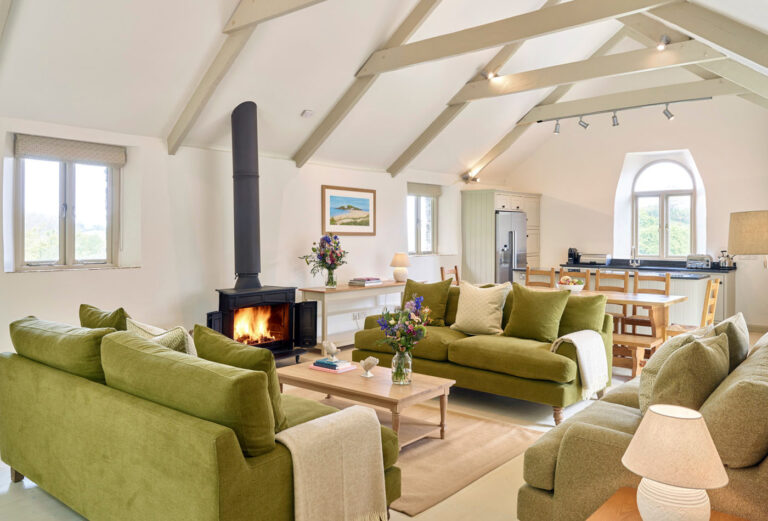
Presentation matters. Guests expect a tidy, welcoming environment. Professional photography and thoughtful staging (such as fresh linens, decorative pillows, or a welcome note) significantly improve your listing’s appeal.
Security is also critical. Smart locks or keyless entry systems allow you to grant access remotely and monitor usage, which is especially helpful if you’re managing the property from afar.
Using Technology to Streamline the Holiday Letting Process
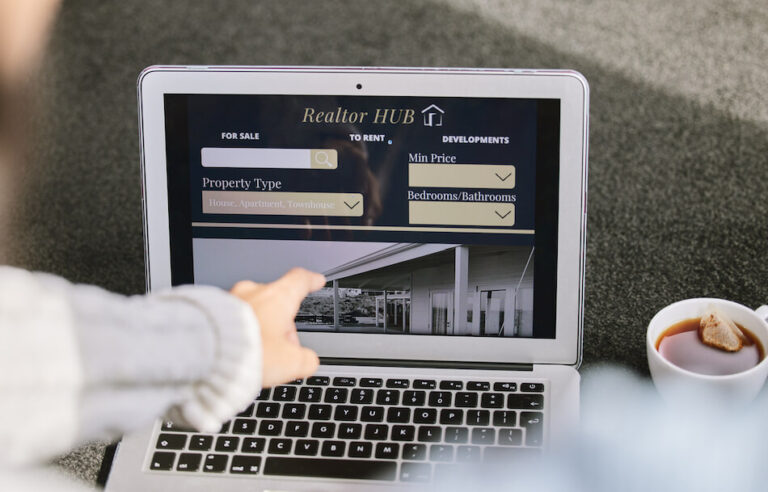
Modern tech tools make managing holiday rentals easier than ever, especially for first-time hosts or remote owners. These platforms help you manage everything from guest bookings to cleaning schedules.
-
Booking Platforms (Airbnb, Vrbo, Booking.com)
These marketplaces connect you with millions of travelers. They offer built-in calendars, payment systems, guest messaging, and review features. -
Channel Managers (Lodgify, Hostaway)
If you list your property on multiple platforms, channel managers sync bookings across sites to prevent double-bookings and centralize your calendar. -
Smart Locks and Access Management (August, Yale, Nuki)
Provide guests with temporary access codes and monitor entry without being on-site. -
Automation Tools (Hospitable, Guesty)
Automate guest messages, check-in instructions, and cleaning reminders. Some even integrate with your cleaning team to schedule turnovers after each checkout. -
Dynamic Pricing Tools (PriceLabs, Beyond Pricing)
These adjust nightly rates based on demand, season, local events, and competitor prices, helping you maximize occupancy and revenue.
By integrating these technologies, you enhance the guest experience while reducing the workload and potential for human error.
Real-World Use Cases of Letting a House as a Holiday Home
1. Retiree in Cornwall Letting a Cottage on Airbnb

A retired couple turned their coastal cottage in Cornwall into a holiday rental during tourist seasons. Using Airbnb and a smart lock system, they welcomed guests without needing to be physically present. Revenue from seasonal bookings covered yearly maintenance and travel expenses.
2. Urban Homeowner in Amsterdam Using Hostaway
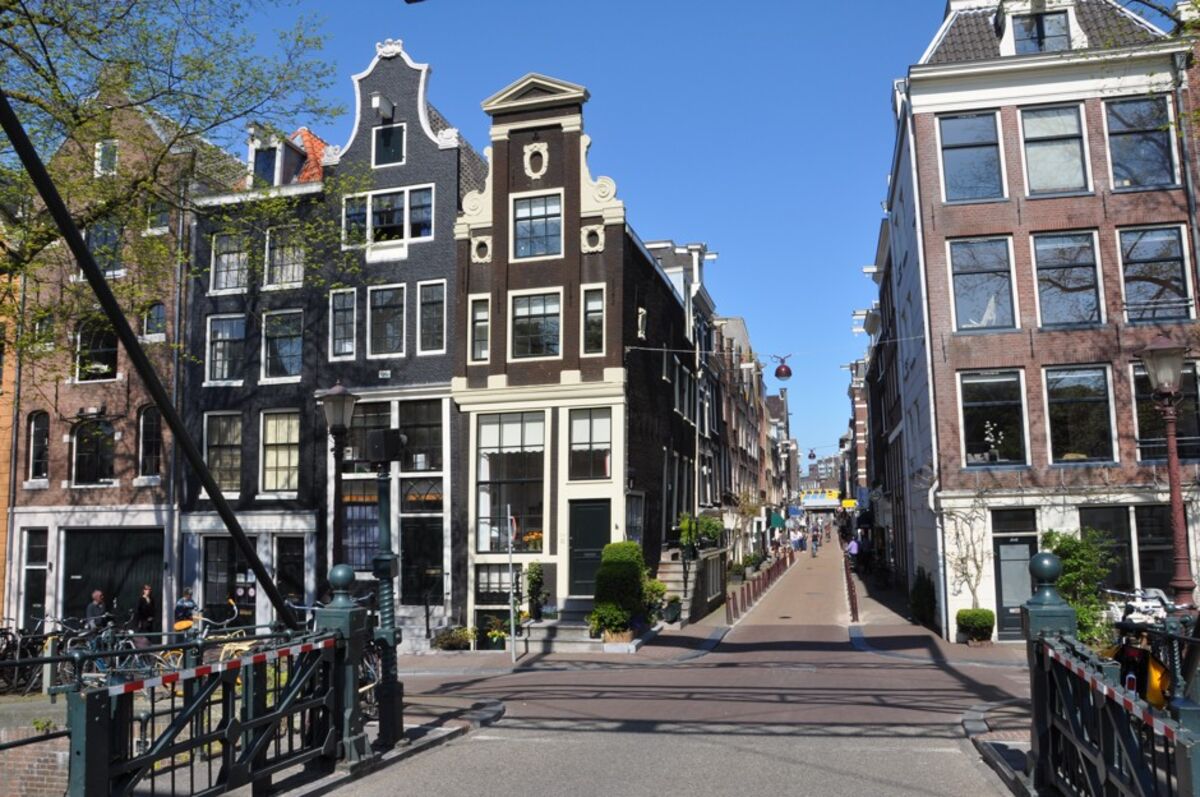
In Amsterdam, a homeowner used Hostaway to list their flat on multiple platforms while they traveled abroad. The channel manager prevented double bookings, and automated check-in instructions were sent via SMS. This allowed for passive income with minimal involvement.
3. Part-Time Landlord in Scotland with a Cabin on Vrbo

A part-time landlord listed their remote cabin on Vrbo, attracting hikers and nature lovers. Using a smart thermostat and security camera, they managed energy consumption and property safety remotely. The property quickly gained top ratings for comfort and cleanliness.
4. Property Investor in Barcelona Using Guesty

An investor managing three flats in Barcelona used Guesty to handle booking inquiries, coordinate cleaning crews, and communicate with international guests in multiple languages. With automation in place, they managed multiple holiday lets while focusing on the acquisition of new properties.
5. Single Homeowner in Lake District Letting on Weekends

A Lake District homeowner used the property as a primary residence but let it out on weekends using a flexible Airbnb schedule. Bookings were limited to dates they were away, allowing for extra income without a full-time rental commitment.
Practical Benefits of Letting Your House as a Holiday Home
Generate Passive Income
Letting your house as a holiday home creates an income stream from an otherwise unused asset. Even occasional weekend bookings can offset mortgage costs, maintenance expenses, or fund travel plans.
Flexibility and Control
Unlike long-term tenants, you can control availability. Whether you want to rent during holidays or only in peak seasons, short-term letting allows you to set your schedule.
Property Maintenance and Upkeep
Regular guest turnover keeps you consistently checking and maintaining the property. With cleaning and inspection routines between guests, your home stays in better shape than under long-term leases with infrequent checks.
Enhancing Property Value
Improving the property to appeal to guests — such as adding a new bathroom, upgrading appliances, or improving the garden — also adds long-term resale value. Reviews and guest feedback help you identify improvements worth making.
Use Cases: Common Problems Solved by Using Your House as a Holiday Home
Problem: Vacant Second Property
Many people inherit or own second homes that sit unused. Holiday letting allows you to monetize that space without selling it or committing to long-term tenants.
Problem: Wanting Flexible Income
Traditional renting often locks owners into rigid contracts. Short-term lets let you use the property when needed while earning income in between.
Problem: Remote Property Management
Managing a property far from your home used to be a logistical challenge. With smart locks, remote monitoring, and automated messaging, property owners can manage holiday lets from anywhere.
Problem: Earning Income During Life Transitions
From extended travel to maternity leave or job transitions, short-term letting offers a financial buffer during life’s unpredictable seasons, without permanently giving up your home.
Frequently Asked Questions (FAQ)
Q1. Do I need permission to let my house as a holiday home?
Yes, depending on your location. Some cities require a permit, license, or registration number to legally operate a holiday rental. Always check with your local council or housing authority.
Q2. What taxes do I need to pay on holiday rental income?
Holiday rental income is generally taxable. You may also need to pay VAT, tourism levies, or self-employment tax, depending on how you operate the property. Consult a tax advisor for accurate guidance.
Q3. Can I let part of my house, like a spare room, as a holiday let?
Yes. Many homeowners let out spare rooms while living on-site. This is often subject to fewer regulations than letting the entire property, but local rules still apply, especially if you’re in a city with high tourism traffic.