Let My Holiday Home: Expert Guide to Renting Out Your Vacation Property with Modern Tools and Insights
If you’ve ever wondered, “How do I let my holiday home?”, you’re among a growing number of property owners seeking to turn vacation homes into profitable, well-managed short-term rentals. Letting your holiday home not only creates a new revenue stream but also helps offset ownership costs, maintain the property, and make better use of a valuable asset when you’re not using it.
In this comprehensive guide, we explore everything involved in letting your holiday home, from choosing the right listing platforms and using smart technology to understanding real-world examples and the key benefits this solution offers. Whether you’re managing the property yourself or planning to use a letting service, this article provides actionable insights to help you succeed in the vacation rental market.
What It Means to Let Your Holiday Home

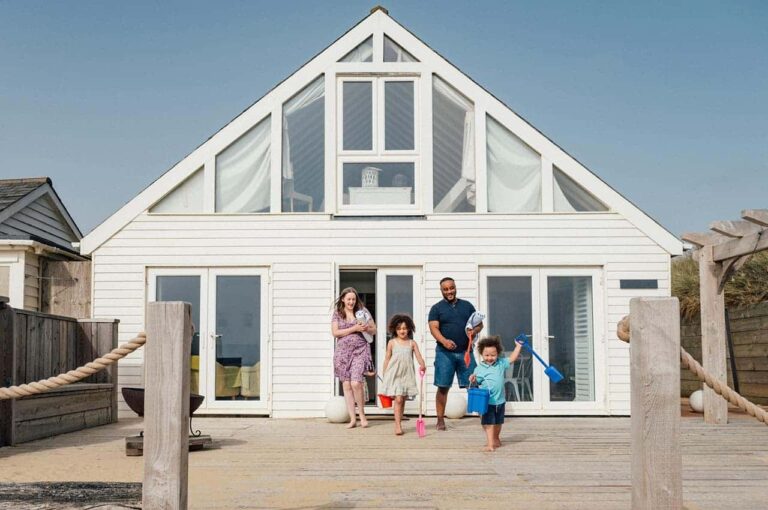
Letting your holiday home refers to making your property available for temporary stays—typically through short-term rental platforms or direct bookings—when you’re not personally using it. These rentals are most commonly arranged on a weekly or nightly basis, and can range from beach cottages and ski chalets to city apartments or countryside lodges.
The process typically includes preparing your property to be guest-ready, creating a compelling online listing with descriptions and photos, setting pricing and availability, and managing bookings, payments, and guest interactions. Depending on your schedule and investment goals, you can let the property seasonally, year-round, or during high-demand holidays.
Letting a holiday home can be done independently or through third-party management companies. Either way, success hinges on a combination of appealing presentation, responsive communication, reliable maintenance, and strong digital visibility.
Choosing the Right Platform for Letting Your Holiday Home
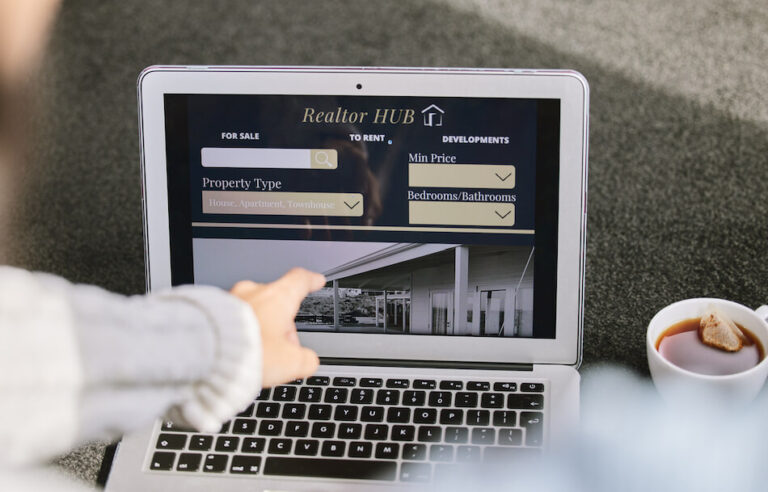
To maximize your bookings and reach the right type of guest, it’s critical to choose the right listing platform. Not all websites serve the same audience, and some offer tools better suited to specific property types or geographic regions.
-
Airbnb is ideal for short stays, especially in urban or high-tourism areas. It offers robust host tools, automated booking systems, and a strong community of global travelers.
-
Vrbo (Vacation Rentals by Owner) targets families and longer stays, with many users searching for entire homes in suburban or coastal areas.
-
Booking.com has expanded into holiday rentals and offers excellent exposure, especially in Europe. It’s ideal for owners who want to maximize occupancy with fewer restrictions.
-
Sykes Cottages (UK-specific) offers managed holiday letting services and a large network of regional travelers looking for weekend or seasonal stays in the UK countryside.
-
Homelike or Spotahome are suitable for medium-term rentals (1+ month), often targeting digital nomads and traveling professionals.
Each platform varies in its fee structures, cancellation policies, and flexibility for host rules. When deciding where to list, consider your ideal guest type, how much control you want, and whether your home is best suited for short, mid, or long-term lets.
Real-World Examples of Letting Holiday Homes Successfully
1. Coastal Cottage on Airbnb (Cornwall, UK)

A homeowner in Cornwall successfully lets their seaside cottage via Airbnb, especially during the summer months. The listing highlights ocean views, outdoor dining, and proximity to beaches. Bookings spike during school holidays and weekends. The owner uses dynamic pricing tools and automated messaging to manage bookings with minimal involvement.
This case demonstrates how location-specific advantages and high-quality images can drive consistent income, even for seasonal properties.
2. Mountain Chalet on Vrbo (Aspen, Colorado)

A family-owned chalet in Aspen is listed on Vrbo, targeting ski season travelers. The property includes a hot tub, fireplace, and proximity to ski lifts. They include a local cleaning service and concierge for smooth guest experiences.
This example shows how premium amenities and proximity to attractions help differentiate listings in competitive markets.
3. Apartment in Lisbon on Booking.com

A city-center apartment in Lisbon is used for short weekend stays by tourists. Booking.com handles payments and guest communication, and the owner uses a property management service to handle check-ins and cleanings.
This listing succeeds by leveraging a platform with strong European reach and frequent last-minute bookings.
4. Lakehouse on Sykes Cottages (Lake District, UK)
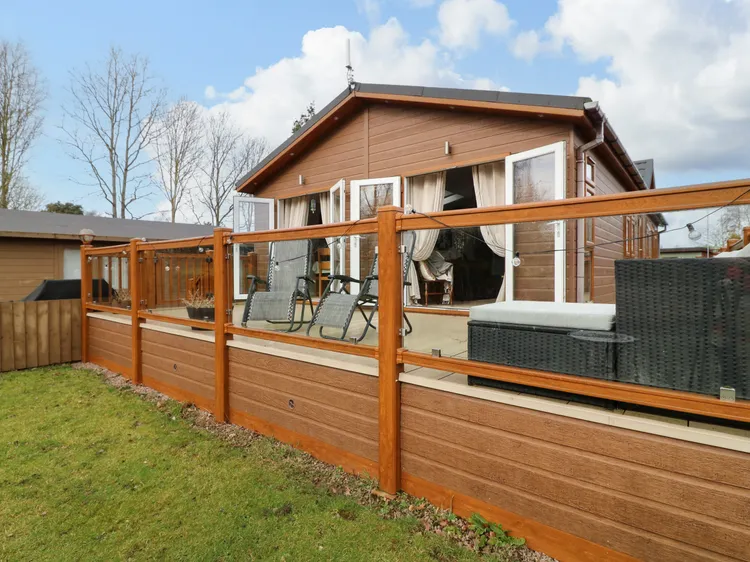
The owner of a lakeside cabin in the UK partners with Sykes Cottages for full-service management. They list during school holidays and off-season weekends. The property is marketed with hiking trail access and dog-friendly policies.
Here, the benefit lies in using a regional platform with local market expertise and guaranteed visibility to the right audience.
5. Extended Stay Home on Homelike (Berlin, Germany).

A homeowner in Berlin targets digital nomads and expatriates for month-long rentals through Homelike. The apartment is fully furnished, with fast Wi-Fi and a workspace. They offer flexible lease lengths and digital guest onboarding.
This example illustrates how niche platforms can deliver steady mid-term bookings with less turnover and maintenance.
Benefits of Using Technology to Let Your Holiday Home
Smart Lock Access and Remote Check-In
With keyless entry systems, homeowners no longer need to be physically present for guest arrivals. Codes can be changed remotely after each stay, increasing security and convenience.
Automated Booking and Calendar Management
Most platforms provide synchronized calendars to prevent double bookings. Owners can manage availability, block dates, and receive instant booking notifications from anywhere.
Dynamic Pricing Algorithms
Tools like Beyond Pricing or Wheelhouse integrate with listing platforms to automatically adjust your nightly rate based on demand, seasonality, and competitor pricing. This helps maximize revenue without constant manual updates.
Guest Communication Tools
Automated messaging templates, real-time chat, and multi-language support improve response times and ensure guests receive all necessary information before, during, and after their stay.
Remote Monitoring and Maintenance Scheduling
Smart home systems allow you to monitor energy usage, adjust thermostats, and schedule maintenance—all via mobile. Some even offer noise monitoring to protect your home from party damage.
Practical Use Cases and How Letting Your Holiday Home Solves Real Problems
Offsetting Mortgage or Maintenance Costs
If your holiday home is a second property, letting it part-time can cover taxes, insurance, and upkeep. Many owners find that renting even 10–15 nights per month can significantly reduce their financial burden.
Keeping the Property Maintained and Inhabited
Empty homes can deteriorate quickly and are more susceptible to break-ins. Regular guests ensure that the property stays maintained, ventilated, and protected.
Meeting the Growing Demand for Unique Stays
Travelers increasingly seek local, authentic experiences over traditional hotels. Your well-located and uniquely designed holiday home may fulfill this demand, especially if it includes standout amenities or proximity to nature and attractions.
Flexible Personal Use
Letting your holiday home doesn’t mean giving up personal access. Most owners block out specific dates for personal use, then open the calendar for guests during peak seasons or weekends.
Turning an Idle Asset into Income
Rather than letting a valuable property sit unused, homeowners can monetize the space. Even part-time rentals can generate several thousand dollars in supplemental income annually.
Advantages of Letting a Holiday Home
Passive Income Generation
When properly set up, your holiday home can earn income with limited oversight, especially if you use automated tools or hire a co-host or property manager.
Increased Property Value
A well-maintained and income-generating property often sees its value increase over time, especially in desirable tourist areas. Consistent rental income also enhances its appeal to future investors or buyers.
Tax Deductions and Incentives
In some regions, letting your property qualifies you for deductions related to cleaning, maintenance, supplies, and even utilities used during rental periods. Be sure to check local tax laws or consult an accountant.
International Exposure
Online platforms allow your listing to be seen by travelers from all over the world, broadening your reach far beyond local classifieds or agent networks.
Scalability
Once you’ve successfully let one property, it becomes easier to expand. Some owners purchase additional holiday homes and build a small portfolio of short-term rentals as a business venture.
Frequently Asked Questions (FAQ)
Q1. Do I need a special license or permission to let my holiday home?
In many regions, yes. Local councils or municipalities may require a permit, license, or registration number for short-term rentals. Be sure to check zoning laws and homeowner association rules.
Q2. Can I still use my holiday home if I rent it out?
Absolutely. Most platforms let you block out dates for personal use. You remain in full control of when the property is available for bookings.
Q3. Is it better to manage the property myself or hire a service?
It depends on your availability and comfort level. If you live nearby and enjoy guest interaction, self-management can save money. If you’re remote or want a hands-off experience, hiring a letting agent or property manager offers peace of mind.