List My Home for Rent: A Complete Guide to Getting Started with Property Rental
If you’re asking yourself, “How do I list my home for rent?”, you’re not alone. With rising property values and increasing rental demand, more homeowners are turning to property rental as a means to generate passive income, retain homeownership, and make strategic use of their assets. Whether you’re looking to rent out a second home, an inherited property, or your current residence while relocating, this comprehensive guide will help you navigate the entire process with clarity and confidence.
From selecting the right listing platforms to implementing technology and showcasing real-world success stories, this article covers every step necessary to list your home for rent effectively and professionally.
Understanding What It Means to List Your Home for Rent
Listing your home for rent involves making it available to prospective tenants—whether short-term, mid-term, or long-term—through property listing services or platforms. It includes preparing your property, taking professional photos, writing a compelling description, and managing inquiries, screenings, and lease arrangements.
Renting out your home can serve various purposes: generating income while you’re away, downsizing without selling, or leveraging a second property. The key is to create a listing that not only attracts the right tenant but also aligns with your goals—whether that’s maximizing occupancy, generating high returns, or maintaining flexibility for personal use.
Before listing, it’s important to understand tenant laws in your region, ensure your property meets safety and livability standards, and consider whether you’ll manage the rental independently or through a property management company.
Key Steps to List Your Home for Rent Successfully

-
Assess Your Property: Before listing, make sure the home is in good condition—fix leaks, service appliances, repaint, and clean thoroughly. A well-maintained property attracts better tenants.
-
Research Market Rates: Study comparable listings in your area to understand how much you can charge. Consider seasonal demand and whether your area is better suited for short or long-term rentals.
-
Prepare Marketing Materials: Hire a photographer or use a high-quality camera to capture the home’s best angles. A well-written description should highlight the property’s amenities, location benefits, and unique features.
-
Choose a Platform: Depending on your goals, you may list on platforms like Zillow, Realtor.com, Rent.com (for long-term), or Airbnb and Vrbo (for short-term). Each has different audiences and listing features.
-
Screen Tenants Carefully: Include clear house rules and screening procedures. Platforms often offer background checks, credit screening, and ID verification.
-
Manage Bookings and Maintenance: After listing, keep up with communication, maintenance, and tenant requests. Consistent management leads to better reviews, renewals, and reduced vacancy.
Real-World Examples of Successful Rental Listings
1. Urban Loft in Chicago Listed on Zillow Rental Manager
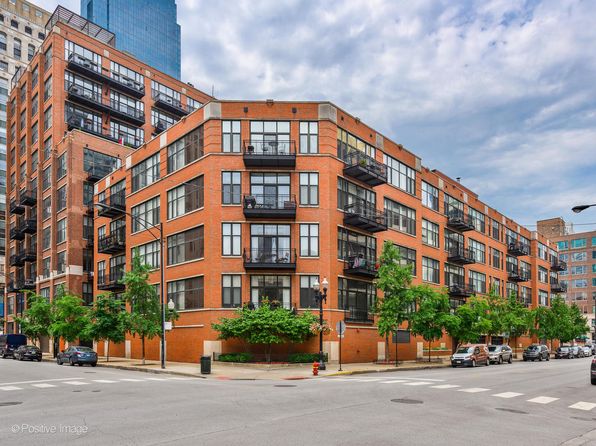
A landlord in downtown Chicago listed a two-bedroom loft on Zillow with sleek interior photos and included details about nearby public transport, pet-friendliness, and in-unit laundry. Within one week, multiple applications were submitted, and the unit was leased by a tech worker relocating from Seattle.
This example shows the effectiveness of combining great visuals, accurate pricing, and a detailed description tailored to urban renters.
2. Suburban Home in Sydney Listed on Domain
A family property in the Sydney suburbs was listed on Domain targeting families looking for proximity to schools and parks. By focusing the listing around school zones and walkability, the owner found long-term tenants within days.
This demonstrates how location-specific benefits and targeting the right audience make listings more successful.
3. Lakefront Cabin in Vermont Listed on Airbnb

A homeowner listed their lakefront property in Vermont for short-term rentals on Airbnb. The listing emphasized nature views, kayak access, and a cozy fireplace. The owner used automated check-in and hired a local cleaner for turnovers.
This example highlights how to turn a vacation property into a profitable, well-reviewed short-term rental using technology and local support.
4. Executive Condo in Austin on Apartments.com
An investor in Austin furnished a high-rise condo and listed it for corporate tenants. The property was marketed with 360° tours, flexible lease terms, and included utilities and Wi-Fi, attracting remote workers and consultants.
This shows how offering convenience and flexibility appeals to high-earning professionals.
5. Historic Row House in Boston on Facebook Marketplace
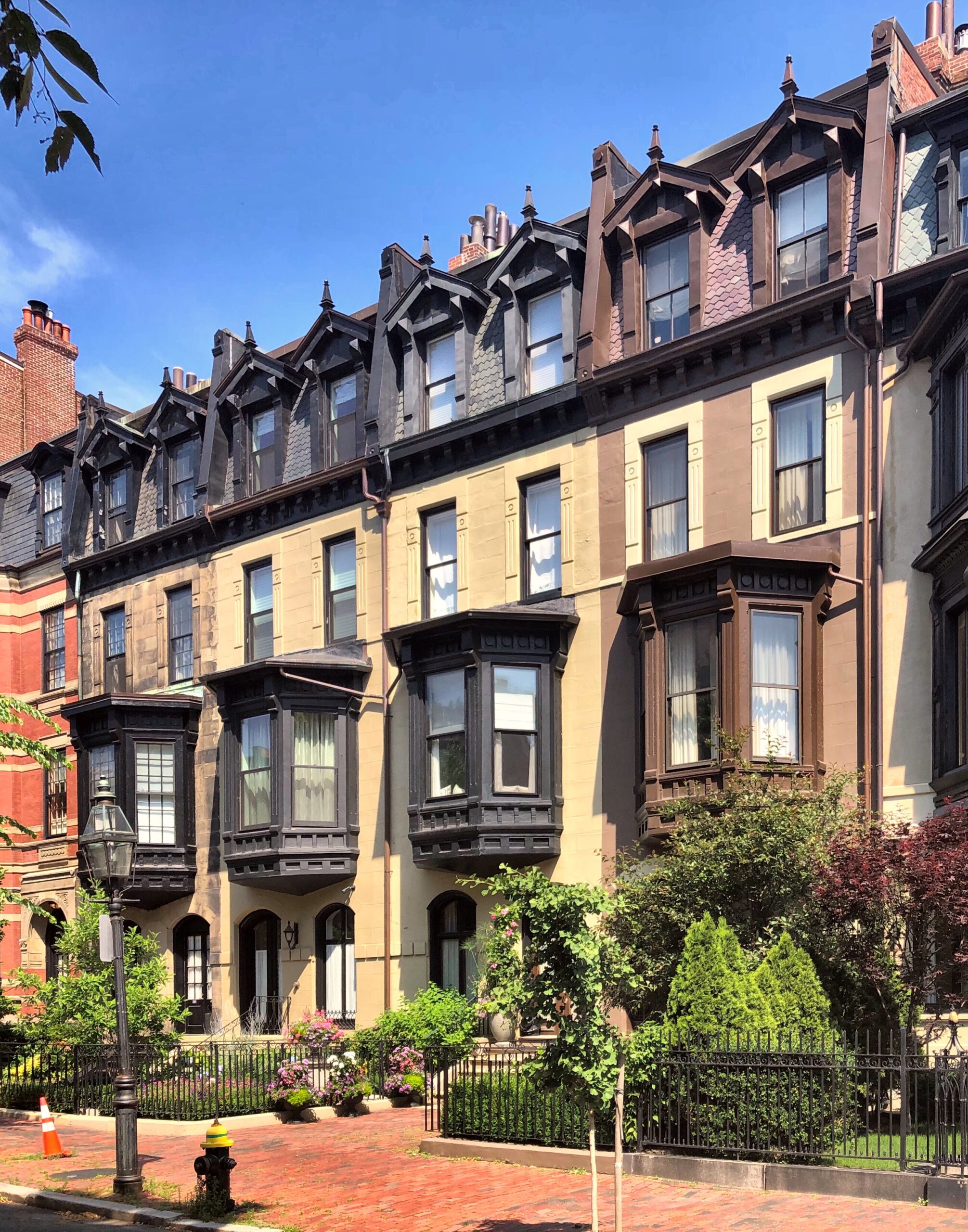
An owner of a renovated row house listed it on Facebook Marketplace to attract tenants seeking charm and history. The post included a walkthrough video, heritage home details, and was shared across local groups.
This demonstrates how leveraging social platforms and community networks can drive organic interest.
How Technology Enhances the Home Rental Process
Smart Home Features Improve Appeal and Management
Smart locks, thermostats, and security cameras are no longer luxuries—they’re expected in modern rentals. Tenants appreciate the convenience, and landlords benefit from remote monitoring, access control, and energy savings.
Property Management Platforms Save Time
Tools like Avail, RentRedi, and Buildium offer online lease signing, rent collection, maintenance requests, and tenant screening—all in one dashboard. This reduces friction for landlords and improves the tenant experience.
Listing Optimization Tools Increase Visibility
Platforms like Zillow and Airbnb use algorithms that reward active, responsive listings. Using automated messaging, pricing tools, and calendar syncing ensures your listing stays visible and competitive.
Virtual Tours and Video Walkthroughs Build Trust
Especially post-pandemic, tenants prefer listings with virtual tours or video walkthroughs. These tools help your home stand out and attract serious inquiries faster.
Integrated Screening and Compliance
Advanced screening tools integrate directly with listings, allowing for background checks, employment verification, and lease management that complies with local laws and fair housing standards.
Practical Use Cases for Listing Your Home for Rent
Temporary Relocation or Extended Travel
If you’re relocating temporarily or traveling for an extended period, listing your home allows it to generate income and remain occupied, reducing the risks of vandalism and deterioration.
Second Property or Inheritance
Many people inherit properties or own secondary homes they don’t use regularly. Listing these for rent provides consistent income and helps cover maintenance and taxes.
Market Uncertainty or Delayed Sale
If you’re unsure about selling in a down market, renting can be a smart interim solution. This allows you to test the waters while holding onto your asset.
Retirement or Downsizing Strategy
Retirees can downsize and rent out their previous home to fund their new lifestyle. The ongoing income offers peace of mind and keeps the asset within the family.
Portfolio Building for Investors
New property investors often start by renting out their own homes before acquiring additional properties. This low-risk trial helps them learn tenant management, pricing, and platform optimization.
Benefits of Listing Your Home for Rent
Generate Passive Monthly Income
Whether it’s a vacation rental or a long-term lease, your home can generate significant cash flow to support other financial goals like retirement, investment, or travel.
Retain Ownership While Earning
Instead of selling your home, you can retain ownership and let the asset appreciate over time, while it pays for itself through rental income.
Tax Advantages
In many jurisdictions, landlords can deduct property-related expenses such as mortgage interest, property management fees, repairs, and depreciation. This can significantly reduce your taxable income.
Increased Property Value Through Upgrades
Renting often requires home upgrades—painting, appliances, or smart devices—that also improve long-term resale value.
Lifestyle Flexibility
Short-term renting allows you to keep access to the home when needed (holidays, family events), while still earning income when it’s unoccupied.
Frequently Asked Questions (FAQ)
Q1. Do I need a license or permit to list my home for rent?
It depends on local laws. Some cities require rental licenses, inspections, or registration with housing departments. Always check with your municipality before listing.
Q2. What’s the difference between short-term and long-term rentals?
Short-term rentals (like Airbnb) cater to vacationers or temporary stays and are more management-intensive. Long-term rentals offer stable income with fewer turnovers but typically require lease agreements and deposits.
Q3. Can I manage the rental myself, or should I hire a property manager?
You can manage it yourself, especially with the help of modern tools. However, if you’re unavailable or prefer a hands-off approach, a property manager can handle marketing, screening, rent collection, and maintenance.