List My House for Rent: A Comprehensive Guide to Successfully Renting Out Your Property
When homeowners begin to explore ways to generate additional income or manage property more efficiently, one common question arises: “How do I list my house for rent?” This question is more relevant than ever as the property rental market continues to evolve, driven by technology, changing lifestyles, and increased demand for flexible housing.
Whether you’re an investor with multiple properties, a homeowner relocating for work, or someone with a vacant home, listing your property for rent opens the door to both financial gains and greater control over how your home is used. This in-depth guide explores the full process, from preparation and platform selection to leveraging smart technologies and managing your listing like a pro.
What It Means to List Your House for Rent
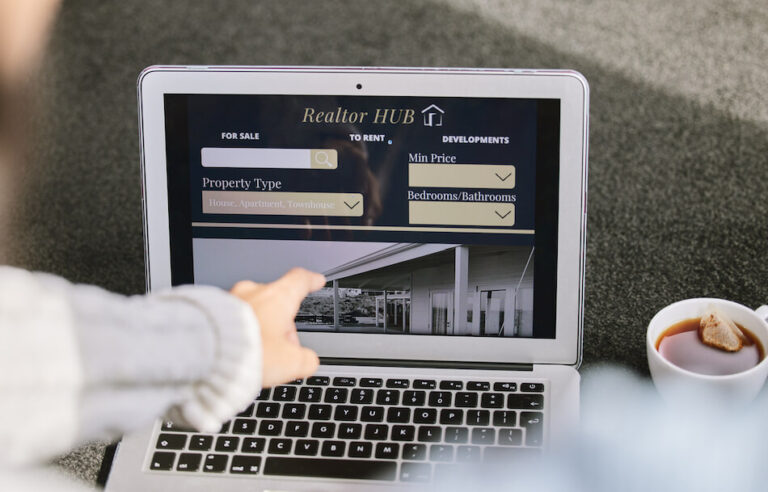
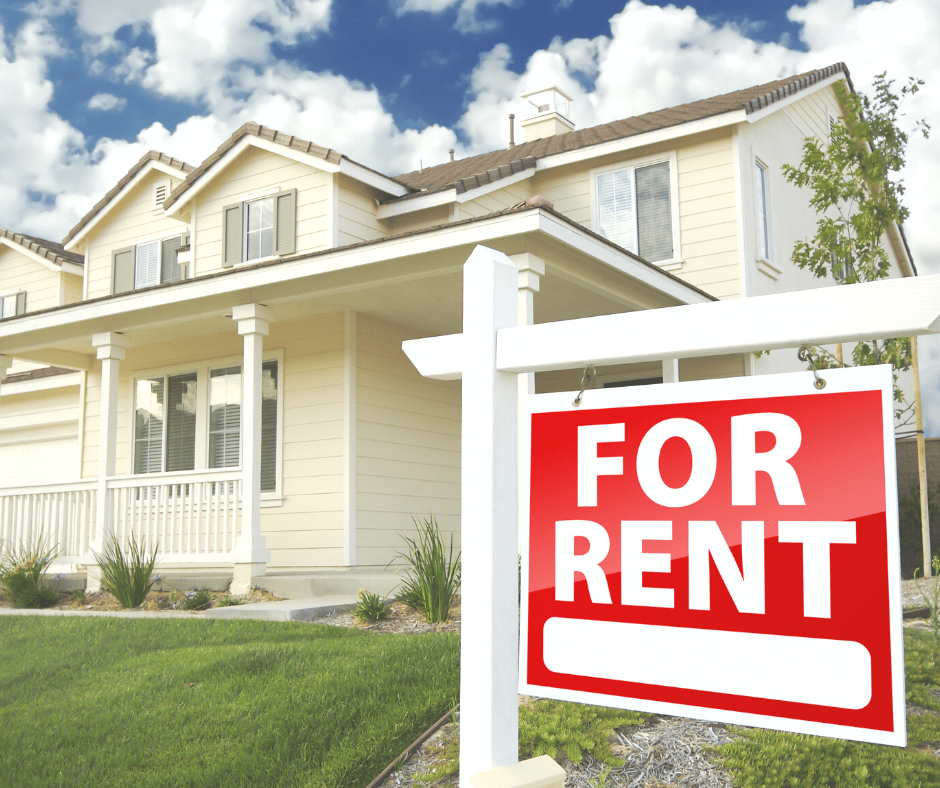
Listing your house for rent means making it available to potential tenants through various channels, typically online platforms that connect property owners with renters. This may be for long-term leases, medium-term corporate rentals, or even short-term vacation stays, depending on your goals, property type, and location.
The process involves creating a compelling property profile, capturing high-quality visuals, setting appropriate rental prices, and publishing the listing to gain exposure. However, it doesn’t stop there. Successful listings also require continuous management, prompt communication, and property upkeep to ensure tenant satisfaction and steady income.
You can choose to self-manage your rental listing or work with a property manager or letting agency, but either way, understanding the core components of effective listing is crucial.
Key Considerations Before Listing Your House

Before publishing your rental listing, it’s essential to assess several key factors that will influence your success:
-
Legal Requirements: Some regions require landlords to register with local councils, obtain rental licenses, or follow specific safety regulations.
-
Property Condition: Ensure your home meets livable standards, including functioning appliances, clean interiors, and secure doors/windows.
-
Rental Type: Determine if your property is best suited for short-term, mid-term, or long-term letting. Each model has different demands and returns.
-
Tenant Profile: Decide who your ideal renter is—families, students, professionals, or vacationers—and tailor your listing accordingly.
-
Pricing Strategy: Research local market rates to set a competitive but profitable rent. Consider dynamic pricing tools for market fluctuations.
Starting with a clear plan will help reduce vacancies, avoid legal issues, and attract the right type of tenant.
Real-World Examples of Successful Property Rental Listings
1. Modern Apartment in Atlanta on Zillow Rental Manager

A one-bedroom apartment in Atlanta is listed through Zillow’s platform for long-term lease. The owner included professional photos, virtual tour options, and a tenant pre-screening process integrated into the listing. Within two weeks, the unit was leased by a working professional relocating from out of state.
This example demonstrates the importance of high-quality visuals and detailed property descriptions in competitive urban markets.
2. Suburban Home in Manchester on Rightmove (UK)
A family home in Greater Manchester is listed on Rightmove, targeting tenants looking for school district access and garden space. The listing emphasizes proximity to parks and includes recent renovation details. The property received multiple viewing requests within days of listing.
This case highlights how local appeal and lifestyle amenities are strong selling points for residential renters.
3. Vacation Home in Florida on Airbnb

A fully furnished beach house in Florida is used for short-term vacation rentals. The owner uses Airbnb to reach travelers and leverages automated messaging and smart locks for seamless self-check-in. The listing has earned Superhost status due to consistent five-star reviews and high responsiveness.
Here, the success is driven by embracing technology and offering guest-centric features.
4. Townhouse in Toronto on Facebook Marketplace
A two-story townhouse was listed on Facebook Marketplace to reach local renters directly. The listing included interior photos, a neighborhood overview, and a walkthrough video. It quickly attracted attention from students and young professionals due to its walkable location and flexible lease terms.
This use case shows how social platforms can effectively attract hyper-local renters.
5. Eco-Friendly Home in Portland on Furnished Finder

An environmentally conscious homeowner in Portland lists their furnished property on Furnished Finder to attract traveling nurses and contract workers. The listing focuses on green features like solar panels and low-energy appliances and highlights quiet surroundings for night-shift workers.
This example reveals how niche platforms can target specific audiences for better compatibility and fewer vacancies.
Benefits of Using Technology to List Your House for Rent
Online Listing Platforms Offer Massive Reach
Sites like Zillow, Rightmove, Craigslist, and Airbnb provide access to millions of potential renters. Most of these platforms offer built-in search filters, map integration, and exposure to niche demographics, helping your listing get found faster.
Smart Home Technology Increases Appeal
Homes with smart thermostats, smart locks, and video doorbells attract tech-savvy renters. These upgrades also make it easier to manage the property remotely—ideal for landlords who live elsewhere.
Calendar and Pricing Automation
Dynamic pricing tools like Beyond Pricing or Wheelhouse adjust your rental price automatically based on market demand. Calendar sync tools prevent double bookings and make date management stress-free.
Automated Communication and Tenant Screening
Many listing tools offer pre-set message templates, auto-responses, and built-in tenant screening. These features help maintain professional communication and reduce the chance of renting to problematic tenants.
Remote Monitoring and Maintenance Scheduling
IoT-enabled devices and property management software can monitor utility usage, detect leaks, or remind landlords of routine maintenance—all reducing costly surprises and improving tenant satisfaction.
Practical Use Cases: Why and When to List Your House for Rent
Relocation or Extended Travel
If you’re moving abroad for a temporary assignment or going on a long sabbatical, listing your home allows you to keep the property while generating income. This ensures your home stays occupied and well-maintained in your absence.
Inheritance or Second Property
For those who’ve inherited property or own multiple homes, renting out one residence can turn a dormant asset into a regular income source. It also helps cover taxes, maintenance, and insurance costs.
Bridging the Gap Before Selling
Some homeowners choose to list their house for rent short-term while preparing to sell or waiting for a favorable market. This approach earns income while keeping the property active.
Downsizing While Retaining Ownership
Retirees or families downsizing may choose to rent their former home instead of selling. This provides steady cash flow and keeps ownership within the family.
Testing the Market for Future Investment
Listing your own home can act as a low-risk trial before diving into real estate investing. It helps you learn the ropes of tenant management, listing optimization, and legal compliance.
Advantages of Listing Your Home for Rent
Flexible Income Generation
Whether you rent short-term or long-term, your property becomes an income-generating asset. You can tailor rental periods to your lifestyle or financial needs.
Property Retention with Passive Benefits
Renting your home means you maintain ownership while it pays for itself. This is ideal for those who see property as a long-term investment or inheritance strategy.
Enhanced Property Visibility
Listing on multiple platforms broadens your audience and increases the likelihood of quicker, higher-quality tenancies.
Tax Advantages
Depending on local laws, you may be able to deduct mortgage interest, maintenance costs, insurance, and depreciation on your tax return. Always consult with a financial advisor.
Opportunity to Upgrade
Rental income can be reinvested into the property—adding new appliances, landscaping, or smart home features—to increase future value and rentability.
Frequently Asked Questions (FAQ)
Q1. Do I need a license to list my house for rent?
It depends on your local regulations. Some cities require landlord registration, rental property inspections, or licenses before you can legally rent out your home. Always check your municipality’s rules first.
Q2. How do I choose between short-term and long-term renting?
Short-term renting offers more flexibility and potentially higher returns but requires more frequent cleaning, guest turnover, and availability. Long-term leases offer steady income and fewer management tasks. The right choice depends on your availability and financial goals.
Q3. What should I include in my rental listing?
Always include high-quality photos, a detailed description of the home, rent amount, lease terms, and any unique features (e.g., pet-friendly, smart home, garden). Be transparent about policies to attract the right tenants.