List My Property for Rent: A Complete Guide for Landlords and Property Owners
Listing your property for rent involves more than just putting up a sign or writing a basic ad. It’s the strategic process of preparing your home or apartment, advertising it on the right platforms, and managing tenant inquiries with professionalism. Whether you’re a first-time landlord or a seasoned investor, how you list your rental can directly affect how quickly it’s leased, what kind of tenant you attract, and how much rental income you generate.
Understanding What It Means to List Your Property for Rent
At its core, listing a property includes gathering essential details (location, size, rent, amenities), photographing the unit, choosing the right listing site or marketplace, and managing communication. Each step, when done correctly, helps ensure you find reliable tenants and reduce vacancy periods.
In today’s digital age, your online listing is your first impression. Platforms like Zillow, Apartments.com, or Airbnb (for short-term rentals) give your property exposure, but success depends on more than just visibility. Clear descriptions, professional photos, and thoughtful pricing make all the difference.
Preparing Your Property for Rent
Before listing, ensure your property is clean, safe, and presentable. This not only improves tenant interest but also helps you stand out in competitive rental markets.
Start by addressing necessary repairs and ensuring all appliances, plumbing, and lighting are in good working order. A fresh coat of paint, cleaned carpets, and tidy landscaping can significantly improve the appeal. If you’re targeting premium tenants, consider staging the home with furniture or offering professional cleaning.
Moreover, documentation is crucial. List My Property for Rent. Gather relevant information like lease terms, move-in dates, pet policies, and local rental regulations. These details should be included in your listing to set clear expectations from the start.
Finally, high-quality images are essential. Listings with well-lit, professional photographs receive more views and quicker inquiries. A video tour or 3D walkthrough can also boost your success rate, especially for long-distance renters.
Choosing the Right Rental Listing Platforms
Where you list your property will determine how many prospective tenants see it. There are several types of platforms:
-
General rental marketplaces: Websites like Zillow, Zumper, and Apartments.com offer wide visibility for long-term rentals.
-
Short-term rental platforms: If you plan to rent on a nightly or weekly basis, platforms like Airbnb and Vrbo are ideal.
-
Local classifieds: In some regions, Craigslist or Facebook Marketplace still serve as effective rental channels.
-
Property management tools: Sites like Avail or RentRedi combine listings with tenant screening, applications, and rent collection.
Select a platform based on your property type, rental duration, and target audience. For example, a furnished condo in a city center might do better on Airbnb, while a single-family home in the suburbs may perform best on Zillow or Realtor.com.
Your listing should be consistent across platforms, with identical information and matching visuals to avoid confusion. Always include a compelling headline, detailed description, and accurate location to help your property rank better in search results.
Leveraging Technology to Improve Your Rental Listing Strategy
Technology plays a major role in modern property listings. From automating tasks to enhancing user experience, tech tools can dramatically improve how you manage and market your rental.
-
Virtual Tours and 3D Walkthroughs
Allow prospective tenants to tour your property without visiting in person. Platforms like Matterport or Zillow 3D Home offer affordable tools to create immersive experiences that increase engagement. -
Automated Messaging and Scheduling Tools
Tools like ShowMojo or Tenant Turner streamline communication by automating appointment booking, reducing back-and-forth with potential tenants. -
Digital Applications and Tenant Screening
Services like Avail, RentSpree, or TurboTenant enable tenants to apply online and allow you to screen them with background checks, credit reports, and employment verification in just a few clicks. -
Dynamic Pricing Software
Especially helpful for short-term rentals, tools like PriceLabs or Beyond Pricing adjust your rent rates automatically based on demand, seasonality, and competitor pricing.
By integrating these technologies into your workflow, you can increase your property’s visibility, reduce manual work, and improve the tenant experience from start to finish.
Real-World Use Cases: How Others Successfully Listed Their Properties
1. A Landlord in Austin Using Avail for Long-Term Rentals

A property owner in Austin listed a duplex using Avail, which helped streamline tenant applications and collect rent digitally. With built-in screening tools and online leases, the landlord secured a tenant within one week while staying fully compliant with Texas housing laws.
2. A Vacation Home Owner in Florida Listing on Airbnb

The owner of a beachfront condo in Destin used Airbnb’s smart pricing and automated messaging features to manage bookings while living abroad. With consistent 5-star reviews and dynamic pricing, their occupancy rate reached 90% annually.
3. A Real Estate Investor Using Zillow Rental Manager

In Denver, a landlord managing four properties relied on Zillow Rental Manager to syndicate listings across multiple platforms and handle inquiries. With 3D tours and customizable applications, tenant interest doubled within days of listing.
4. A First-Time Landlord Using Facebook Marketplace
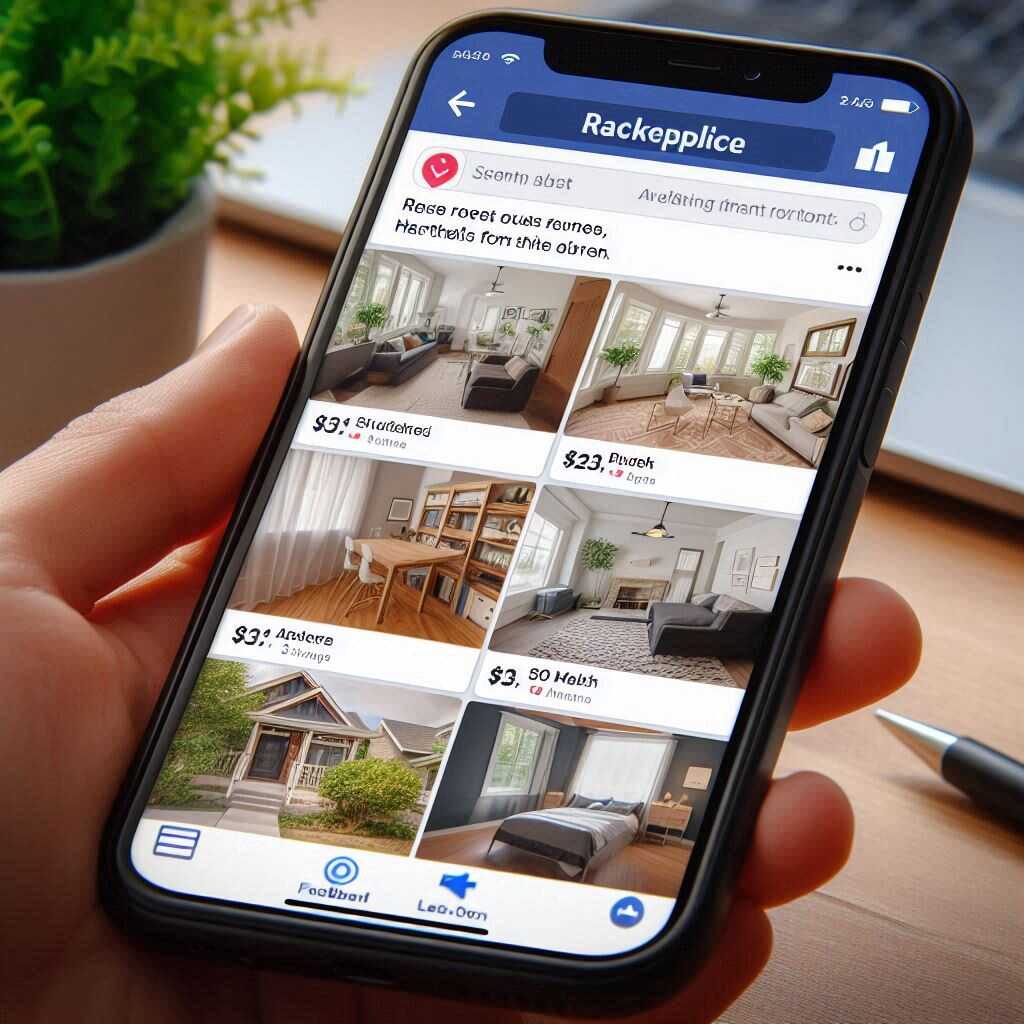
A new landlord in North Carolina listed a basement apartment on Facebook Marketplace with high-quality photos and responded quickly via Messenger. List My Property for Rent. The unit received over 30 inquiries in 48 hours and was rented within three days.
5. A Landlord with Multiple Units Using RentRedi
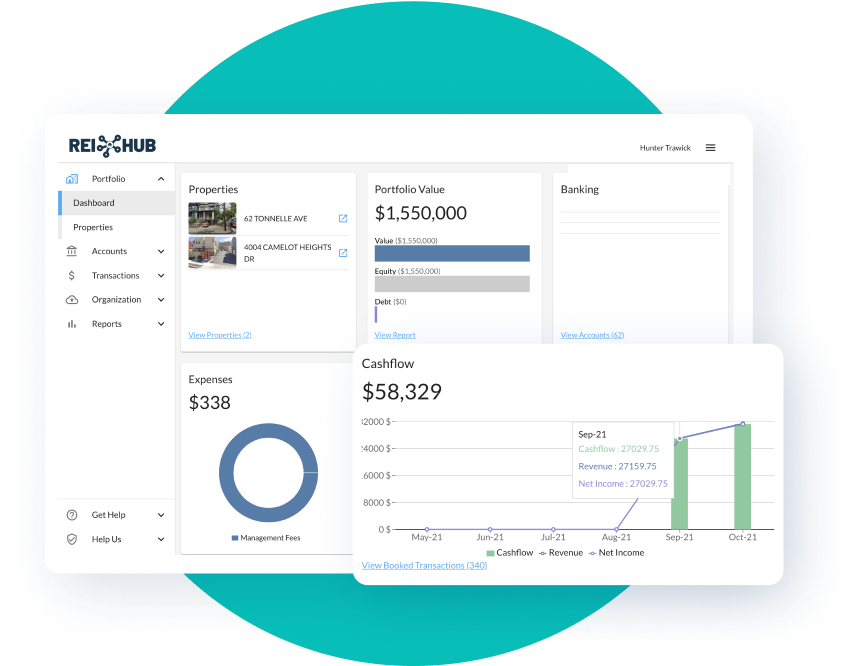
Managing five units in Chicago, a landlord used RentRedi to post listings, screen tenants, and automate rent collection. With everything managed through a mobile app, they saved hours of administrative work each month and reduced late payments.
Practical Benefits of Listing Your Property Using Modern Tools
Increased Visibility and Faster Leasing
Online listings with optimized photos, videos, and descriptions attract more attention. The ability to syndicate across platforms also maximizes reach, helping you fill vacancies faster.
Better Tenant Quality and Screening
Digital applications and screening platforms reduce the risk of unreliable tenants. You get access to criminal background checks, credit scores, and rental history without the paperwork.
Time-Saving Automation
From messaging to rent collection, automation tools eliminate repetitive tasks and ensure nothing is missed. This allows you to focus on higher-level decisions and property improvements.
Improved Tenant Experience
Modern renters expect mobile-friendly applications, digital leases, and quick communication. A tech-friendly approach makes your property more appealing and helps retain tenants long term.
Real-Life Problems Solved by Professional Rental Listings
Reducing Vacancy Periods
Without professional photos or clear listings, properties can sit vacant for weeks. High-quality visuals and comprehensive descriptions speed up decision-making and reduce time on market.
Managing Multiple Inquiries
Manual responses to rental inquiries can be overwhelming. List My Property for Rent Automated schedulers and chatbots streamline communication, saving time while maintaining professionalism.
Avoiding Tenant Fraud
Accepting paper applications or informal arrangements opens the door to bad tenants. Digital screening tools ensure you’re renting to qualified individuals based on real data.
Legal Compliance
Many platforms now provide lease templates that align with local regulations. This ensures you’re operating legally and avoids disputes that can arise from vague or outdated rental agreements.
Frequently Asked Questions (FAQ)
Q1. What details should I include when listing my property for rent?
You should include the rental price, property size, number of bedrooms and bathrooms, amenities (like parking, washer/dryer, air conditioning), pet policies, lease terms, and move-in availability. Professional photos and a clear location are also essential.
Q2. How can I screen tenants safely and legally?
Use a rental platform that offers tenant screening features. These platforms handle credit checks, background reports, and employment verification in compliance with Fair Housing Laws and local regulations.
Q3. Should I use multiple platforms to list my property?
Yes. Syndicating your listing to multiple reputable platforms like Zillow, Realtor.com, and Apartments.com increases visibility and tenant inquiries. Just be sure the information and images are consistent across all platforms.