I Would Like to Rent My House: A Complete Step-by-Step Guide for Homeowners
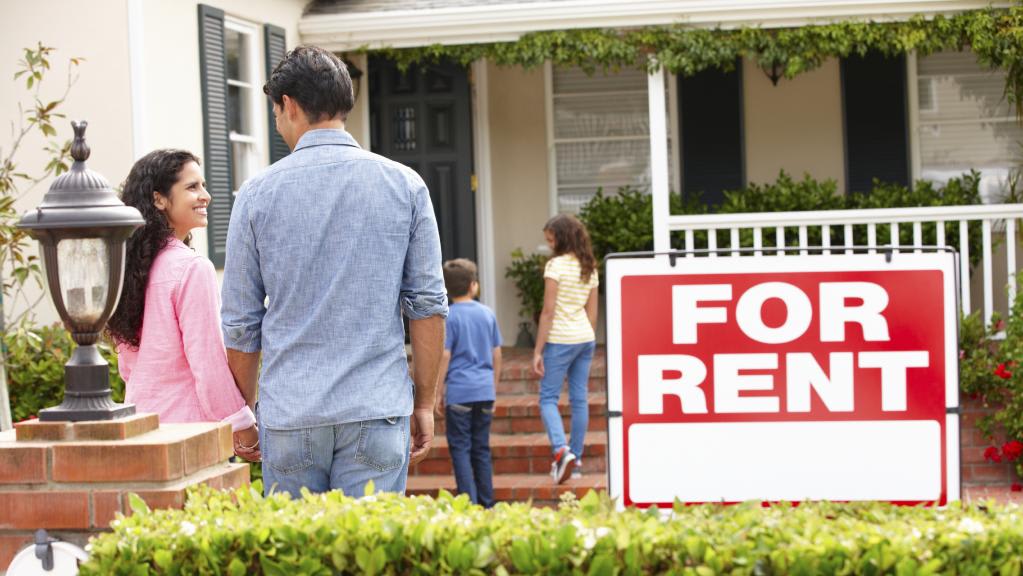
Renting out your house can be a smart financial move, whether you’re relocating, investing, or simply looking to generate passive income. But the process is more than just listing your home—it involves legal preparation, smart pricing, effective marketing, and reliable property management. If you’re saying, “I would like to rent my house,” this guide will walk you through the entire process.
We’ll explore everything from preparing your home for tenants, using technology to streamline operations, showcasing real-life use cases, and answering the most frequently asked questions—all designed to help you make informed, confident decisions as a first-time or seasoned landlord.
What It Means to Rent Out Your House
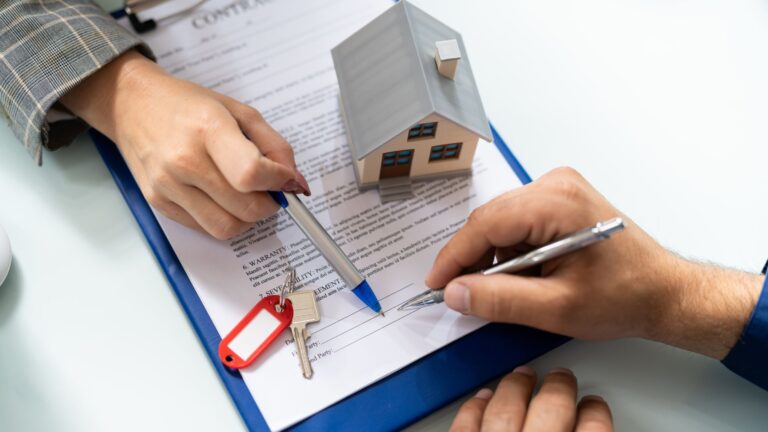
When you say, “I would like to rent my house,” you’re essentially becoming a landlord. This means you will allow a tenant to occupy your property in exchange for monthly rent, under a legal rental agreement. This process involves responsibilities such as maintaining the home, ensuring legal compliance, handling rent collection, and addressing tenant needs.
Renting out your house can be a long-term strategy (leasing for a year or more) or a short-term one (vacation rental or temporary leasing). Your goal will dictate how you structure the rental, price it, and manage the experience.
Whether you’re doing this to offset your mortgage, prepare your home for sale, or enter the rental property market, it’s essential to plan carefully.
Steps to Prepare Your Home for Rent
Legal Compliance and Permits
Before you advertise your home for rent, check your local laws and housing regulations. Some cities require rental licenses or inspections to ensure your home meets safety standards. Zoning laws may restrict how or to whom you rent your property.
You’ll also want to research landlord-tenant laws in your area. These outline your rights and obligations, including rules about security deposits, eviction processes, and property maintenance.
Home Inspection and Repairs
A thorough inspection helps you address any wear and tear, faulty wiring, plumbing issues, or appliance malfunctions. Not only does this prevent tenant complaints, but it also protects you from liability.
Simple upgrades like fresh paint, clean carpets, or updated fixtures can improve your home’s rental appeal. Ensuring smoke detectors, HVAC systems, and locks are in good working order is also critical before listing your property.
Setting the Right Rental Price
Determining how much to charge for rent requires research and objectivity. Overpricing can lead to vacancies, while underpricing might reduce your returns.
Check local listings in your neighborhood for homes with a similar size, amenities, and condition. Consider factors like proximity to schools, transportation, and shopping centers.
You can also consult a property management company or use online tools to generate a rental price estimate based on market trends. Your rent should ideally cover your mortgage, taxes, insurance, maintenance, and provide a reasonable profit margin.
Using Technology to Manage Your Rental Property
Smart Home Features for Convenience
Adding smart home tech to your rental can make it more attractive and easier to manage. Smart locks allow remote key changes, eliminating the need for physical keys. Tenants appreciate smart thermostats and lighting systems that offer energy savings and comfort.
As a landlord, these systems give you better control and visibility into how your property is used without invading tenant privacy.
Digital Leasing and Rent Collection Platforms
Platforms like Avail, Zillow Rental Manager, and Buildium offer digital lease signing, tenant screening, rent collection, and maintenance request tracking. These tools reduce paperwork and automate important tasks like reminders and late fees.
Going digital also builds trust with tenants by showing that you offer a modern, streamlined rental experience.
Property Monitoring and Maintenance Alerts
Installing water leak detectors, smoke alarms with app alerts, and HVAC monitoring tools can protect your investment. These smart devices help detect issues early, reducing the chance of costly repairs down the line.
Tenants are more likely to stay long-term when they feel the home is well cared for and responsive to maintenance needs.
Real-World Examples of Renting Out a Home
1. Renting Your Home During a Temporary Job Relocation

If you’re moving out of town for six months to a year for a work assignment, renting out your home provides income while keeping your asset in use. Many homeowners in this situation find tenants through relocation programs, real estate agents, or listing platforms. Furnishing the home can also help attract short-term tenants looking for turnkey accommodations.
This strategy allows you to return to your home after your job ends without needing to sell it.
2. Converting an Inherited Home into a Rental

If you’ve inherited a home you don’t plan to live in, renting it out can turn a potential burden into passive income. After cleaning and updating the space, the homeowner in this example used a local property manager to handle daily operations, while they collected monthly rent and built long-term equity.
This model works well for out-of-town owners or those new to real estate investing.
3. Turning a Vacation Home into a Short-Term Rental

For those with a second home in a desirable location, platforms like Airbnb and Vrbo allow you to rent the property when not in use. A couple in this case study used automated pricing and keyless entry systems to manage their beach house remotely. Over time, the rental income exceeded the home’s monthly mortgage and upkeep costs.
They also implemented smart security cameras (exterior-only) to monitor property activity and protect their investment.
4. Creating a Rental Unit Within Your Home

Homeowners with finished basements or guesthouses often convert these spaces into separate rental units. One homeowner added a kitchenette and separate entrance, then listed the space as a long-term rental for a college student.
This approach offers income while allowing the owner to retain full use of the main residence, and can be especially helpful for retirees or those looking to supplement income.
Benefits of Renting Out Your House
Passive Income Generation
Perhaps the biggest benefit of renting out your home is the income potential. Monthly rent payments can cover your mortgage and provide extra cash flow. Over time, your property also appreciates, building long-term equity.
This financial stability is ideal for people looking to reduce debt, fund retirement, or diversify their income sources.
Tax Advantages
Landlords are eligible for several tax deductions, including mortgage interest, property taxes, maintenance costs, and depreciation. These deductions can significantly reduce your taxable rental income.
You’ll want to consult a tax professional to ensure you’re taking advantage of all eligible benefits and staying compliant with IRS rules.
Flexibility and Retained Ownership
Renting your house instead of selling it keeps your options open. If the market isn’t ideal for selling, or you plan to return one day, leasing your home gives you the ability to hold onto a valuable asset.
This flexibility is particularly useful for military families, global professionals, or anyone anticipating a return to the same city.
Use Cases That Make Renting Out Your House Valuable
Avoiding Home Vacancy and Deterioration
An unoccupied home is more susceptible to break-ins, pest infestations, and general wear. Renting it out ensures someone is on-site to report issues and care for the property regularly.
Funding Future Home Purchases
The extra income from renting your home can go toward a down payment on a new property, allowing you to build a real estate portfolio over time. This strategy is popular among investors looking to scale their holdings gradually.
Helping Friends or Family While Earning Income
Some homeowners choose to rent to trusted individuals like extended family or friends. With the right legal agreement in place, this arrangement can offer a win-win: support for someone you care about and steady income for you.
Frequently Asked Questions (FAQ)
Q1. Do I need a property manager to rent my house?
Not necessarily. Many homeowners manage their properties, especially if they live nearby. However, if you’re short on time or live far from home, a property manager can handle tenant screening, maintenance, and rent collection on your behalf.
Q2. Can I rent out my house if I still have a mortgage?
Yes, but check your loan agreement. Some mortgages (especially owner-occupied ones) have restrictions on renting out the property. I Would Like to Rent My House. You may need to inform your lender or refinance under an investment loan.
Q3. How do I find good tenants for my house?
Use reputable listing platforms and always conduct background and credit checks. Speak with references and ensure your lease agreement is clear about rent, maintenance, and other responsibilities. A thorough screening process helps protect your property and ensure on-time payments.