Rent My House as Holiday Let: A Complete Owner’s Guide to Short-Term Rental Success
If you’re thinking, “How can I rent my house as a holiday let?”, you’re tapping into one of the most lucrative trends in property management. As short-term holiday rentals become increasingly popular across the globe, many homeowners are discovering that converting their property into a vacation let can generate significant income, offer greater flexibility, and make use of space that might otherwise sit idle.
This guide will take a comprehensive look at how to rent your house as a holiday let, covering everything from the listing process and platform options to the benefits of modern technology, practical real-life examples, and the core reasons why this model works so well in today’s travel economy.
What It Means to Rent Your House as a Holiday Let

Renting your house as a holiday let means offering it to guests for short-term stays, typically ranging from a weekend to a few weeks. Unlike long-term rentals, holiday lets focus on temporary occupancy by tourists, business travelers, or staycationers. This approach offers the flexibility to use the home yourself when not rented, while still generating a stream of revenue.
Holiday lets differ significantly from traditional rental arrangements. Instead of lengthy lease agreements and fixed tenancies, you’re offering an experience, complete with linens, Wi-Fi, and amenities expected by travelers. The property must be fully furnished and maintained to a hotel-like standard, but with the charm and personality of a private residence.
In many regions, there may be regulatory requirements or tax considerations. Some homeowners operate independently, while others choose to work with holiday letting agencies for convenience.
Steps to Successfully Rent Your House as a Holiday Let
The process of converting your home into a holiday let begins with careful preparation and continues with ongoing management. Here are the key steps to follow:
-
Prepare your home – Declutter, furnish it tastefully, stock up on essentials (towels, kitchenware, toiletries), and deep clean every surface.
-
Photograph the property – High-quality, well-lit images of the living areas, bedrooms, bathrooms, and outdoor spaces are critical to attracting guests online.
-
Choose the right platform – Where you list your property plays a significant role in visibility and bookings. Airbnb, Vrbo, and Booking.com are some of the most popular.
-
Set pricing and availability – Use dynamic pricing strategies and set your calendar based on peak seasons, personal use, and local demand.
-
Create a compelling listing – Use clear language, highlight unique features, and outline house rules, check-in/check-out times, and cancellation policies.
-
Manage bookings and guests – Automate communication, handle inquiries promptly, and maintain a strong rating through responsive hosting and cleanliness.
Real-World Examples of Renting Out a House as a Holiday Let
1. Cottage in the Cotswolds on Airbnb

A charming two-bedroom cottage in the Cotswolds is rented out on Airbnb during spring and summer. The owners live in London and use the cottage occasionally for weekend getaways. The rest of the year brings in consistent income from domestic and international tourists.
This use case highlights how a second home can be transformed into a revenue-generating asset with minimal disruption to personal use.
2. Suburban Family Home in Auckland on Vrbo
A suburban homeowner in Auckland lists their main residence on Vrbo when they travel abroad during school holidays. The home features a large garden, a family-friendly layout, and is near local attractions, making it ideal for visiting families.
This example shows how even a primary residence can function as a holiday let seasonally, providing income during periods of absence.
3. City Apartment in Edinburgh on Booking.com

A one-bedroom apartment in central Edinburgh is fully dedicated to short-term rentals. It’s professionally managed, targeting festival-goers and business travelers year-round. With amenities like keyless entry, smart lighting, and Netflix, the unit receives high guest ratings.
This case illustrates how investing in smart technology and maintaining high hospitality standards can result in a thriving holiday rental business.
4. Remote Cabin in Montana on Hipcamp
An off-grid cabin in Montana caters to eco-conscious travelers and couples seeking solitude. Listed on niche platforms like Hipcamp and GlampingHub, the cabin sees strong demand during summer and fall.
Here, the owners tapped into a specific market—nature lovers—and used unique selling points (solar power, fire pit, hiking trails) to stand out.
5. Beach House in Queensland on Stayz

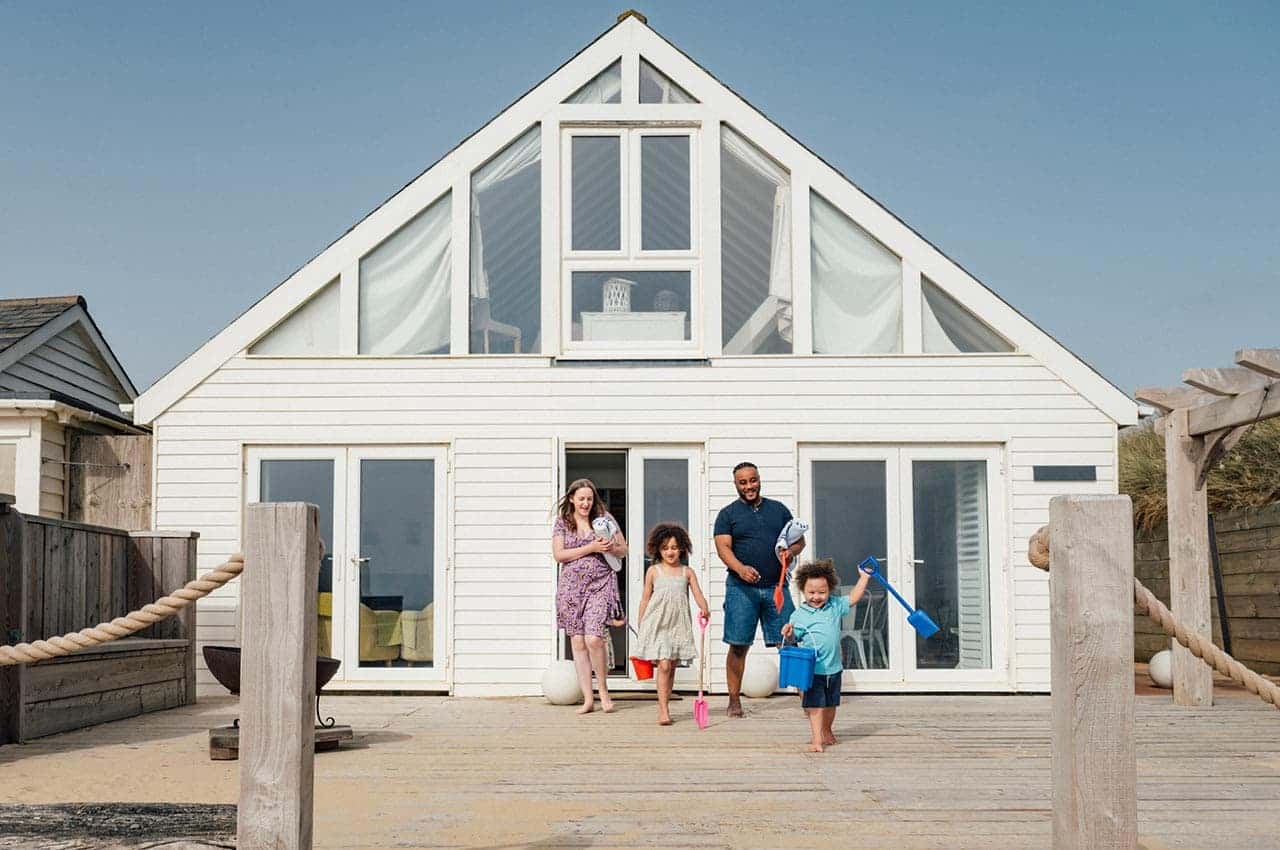
A coastal home in Queensland is rented out during the Australian summer via Stayz. The owners partnered with a local cleaning and maintenance crew to handle turnover. Their listing emphasizes ocean views, surf access, and pet-friendliness.
This example shows how partnering with local services can make remote holiday letting a seamless process.
Benefits of Using Technology to Let Your Home
Smart Access and Security
Installing smart locks allows remote check-in and check-out, which is especially useful if you live far from the property. You can create temporary codes for each guest and monitor access remotely.
Automated Messaging and Booking Management
Property management platforms like Hospitable or Guesty allow you to schedule welcome messages, respond to inquiries, and sync calendars across platforms. This streamlines communication and ensures a professional experience.
Dynamic Pricing Tools
Services like PriceLabs or Beyond Pricing analyze local demand and competitors to automatically adjust your nightly rates. This helps maximize income during high seasons and stay competitive year-round.
Remote Monitoring and Smart Devices
Install devices like smart thermostats, noise monitors, and surveillance cameras (outdoor only) to keep your property secure and energy-efficient while ensuring guest comfort.
Online Review and Reputation Management
Technology enables you to track reviews, respond to guest feedback, and manage your reputation across platforms—all from your dashboard. A strong digital reputation drives more bookings and higher earnings.
Practical Use Cases and Problem Solving
Earning Passive Income During Absence
Many homeowners rent their property during holidays, business trips, or seasonal travel. Instead of leaving the house empty, it becomes an asset that generates income.
Avoiding Long-Term Tenants
Short-term holiday lets allow you to maintain more control over the property. You don’t have to commit to year-long leases or deal with complex eviction processes.
Preparing a Property for Sale
Some owners use holiday lets to generate income while preparing a property for sale. This allows them to maintain the home, keep it occupied, and improve its presentation for potential buyers.
Downsizing or Retirement Planning
Renting out a former family home as a holiday let can provide retirement income while preserving the ability to use the property when desired. It’s an appealing alternative to selling.
Testing a New Business Model
Before launching into real estate investment, many homeowners try renting out their house as a holiday let to gain experience and assess profitability. This use case serves as a low-risk entry into the rental market.
Advantages of Renting Your House as a Holiday Let
Flexibility and Personal Use
Unlike long-term renting, you can block out dates whenever you want to use the house yourself. This is perfect for second homes or future retirement residences.
Higher Earning Potential
Holiday lets often generate more income per night than traditional rentals, especially in high-demand tourist areas. You also have the flexibility to adjust rates seasonally.
Better Property Maintenance
Because holiday lets are cleaned and inspected frequently between stays, they tend to remain in better condition compared to long-term rentals that go months without inspections.
Strong Demand from Travelers
Travel trends increasingly favor private, local, and self-catering accommodations over hotels. This puts holiday homes in a strong position to capitalize on global travel demand.
Scalability
Once you understand the process and tools, it’s possible to scale operations and manage multiple properties either solo or through professional co-hosts.
Frequently Asked Questions (FAQ)
Q1. Do I need permission to rent my house as a holiday let?
Yes, in many jurisdictions. You may need local council approval, a short-term rental license, or to comply with zoning laws and safety regulations. Always check your local rules before listing.
Q2. What’s the difference between a holiday let and a regular rental?
A holiday let is a short-term, furnished rental typically used by travelers for days or weeks. A regular rental involves long-term tenants and often requires tenancy agreements, deposits, and different tax structures.
Q3. Can I manage the holiday let myself?
Yes, many homeowners self-manage their holiday lets. However, if you’re frequently unavailable or live far from the property, it may be more efficient to use a property management service or co-host.